Petrochemical intermediates can be produced in various ways: Some cases, as finished products; in others, more steps are required to obtain the desired composition.
White spirit, also known as mineral spirits, is a petroleum-derived solvent widely used in painting, cleaning, and degreasing applications. It primarily consists of aliphatic and alicyclic hydrocarbons. The composition of white spirit varies depending on its refining process, but it generally contains a mixture of C7 to C12 hydrocarbons.
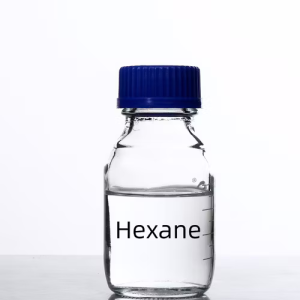
Hexane is an aliphatic hydrocarbon compound commonly used as an industrial solvent and in chemical manufacturing processes. Its chemical formula is C6H14, and it is typically obtained as a byproduct of petroleum refining. Due to its low boiling point and high volatility, hexane is favored as a solvent, particularly in oil extraction, cleaning processes, and laboratory applications.
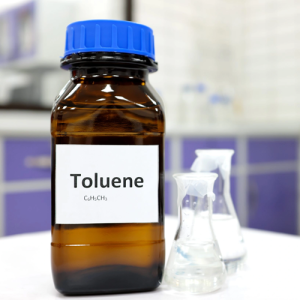
Toluene is a clear, colorless liquid with a distinctive sweet, pungent smell. It is an aromatic hydrocarbon derived primarily from petroleum and coal tar sources.
Solvent: Widely used as an industrial solvent in paints, coatings, adhesives, inks, and cleaning agents.
Chemical Feedstock: Used in the production of benzene, xylene, TDI (toluene diisocyanate) for polyurethane foams, and other chemicals.
Fuel Additive: Sometimes used as an octane booster in gasoline.
Laboratory Reagent: Common in analytical chemistry and research labs.
Styrene monomer is an industrial chemical derived from petroleum or natural gas by-products and which, under normal conditions, is a clear, colourless liquid. It has been synthetically produced for more than 70 years – in 2013 global demand was over 27 million tonnes – but it is also naturally occurring in a number of common foods.
Synthetic styrene is an important raw material for industry because it is the chemical ‘building block’ for creating a multitude of versatile plastics and synthetic rubbers with beneficial properties including strength, durability, comfort, light weight, safety and energy efficiency. The key styrene derivatives include:
Styrene monomer is typically converted or ‘polymerised’ into pellets which can be heated, fused and moulded into plastic components.
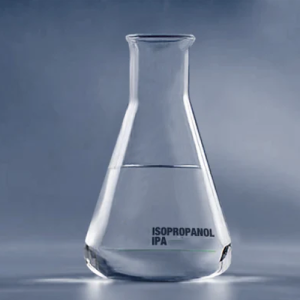
Isopropyl alcohol (IPA) is a clear, colorless and volatile material with a light odor. It possesses physico-chemical and solvency properties similar to those of ethyl alcohol, making it completely miscible with water and soluble in most organic solvents.
IPA is produced by the indirect hydration of propylene in a multistage process that offers very high product purity and consistent quality. Diisopropyl ether (IPE) is also produced as a byproduct of this IPA production process. The on-site availability of propylene provides IPA customers with a greater level of supply reliability.
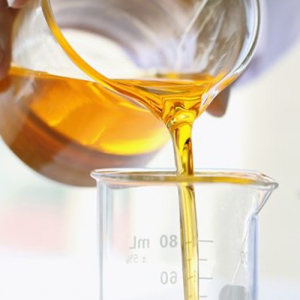
All lubricants consist of base oil. Normally, lubricants consist of 90% base oil and 10% additives. The American Petroleum Institute (API) divided base oils into five groups determined by saturation level, sulfur level and viscosity index. We will examine the first three groups
Group I
Group I oils are solvent-refined, which is a simpler refining process, making them the least refined and therefore also the cheapest base oils available.
Solvent-refined oils consist commonly of a mix of different hydrocarbon molecules which cannot be distinguished in the refining process. This results in an oil with irregular molecules causing increased friction within the oil.
Group I oils are therefore used most often in less demanding applications.
Group II
Group II base oils undergo hydrocracking which is a more complicated process than the process for Group I oils.
Hydrocracking is a process that breaks down large hydrocarbon molecules into smaller ones.
The hydrocarbon molecules of these oils are saturated, giving them better antioxidation properties.
Group II oils are priced closely to Group I oils.
Group III
Group III oils undergo an even longer process than Group II oils. The process, called severe hydrocracking, is also more intense.
More pressure and heat is applied during the refinery process. This results in a purer base oil with a higher quality.
Even though Group III oils are derived from crude oil, they are sometimes described as synthesized hydrocarbons.
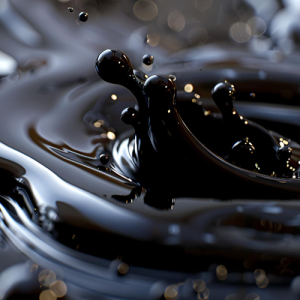
Bitumen is a highly viscous, black or dark brown material primarily used in road construction and waterproofing applications. Derived from the distillation of crude oil, it serves as a key binding agent in asphalt mixtures, providing durability, flexibility, and weather resistance. Our high-quality bitumen products meet international standards and are tailored to meet the diverse needs of the construction and infrastructure sectors.